Hi, I'm
Nicholas Papp
"Create what you love, and manage what you create, so you can build a life that brings you joy, makes you money, and brings your amazing work to the world."
Hi, I'm
Nicholas Papp
"Create what you love, and manage what you create, so you can build a life that brings you joy, makes you money, and brings your amazing work to the world."

Hi! it's me, NICHOLAS PAPP
I'm on a mission to simplify digital business management, and help you grow a successful online business that brings your awesome vision to life.
Through my popular "power hour " consulting, signature consulting & monetization mastermind, courses, and free resources, I share the exact business strategies I use at my successful agency to guide my clients to six and seven-figure businesses -- all for inspiring entrepreneurs like you.
does business management make your head hurt?
Wondering where to start with your digital business management? Right here!
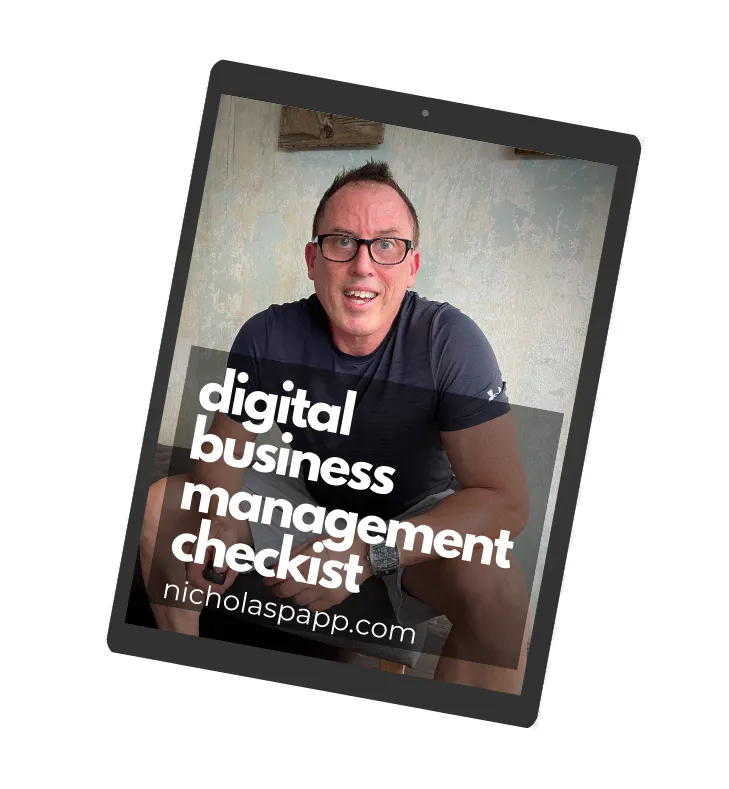
Download your free copy of the Digital Business Management Checklist for five simple steps to improve your digital business management.
Hi! It's me, NICHOLAS PAPP
I'm on a mission to simplify digital business management, and help you grow an online business that brings your awesome vision to life.
Through my popular "power hour " consulting, signature consulting & monetization mastermind, courses, and free resources, I share the exact business strategies I use at my successful agency to guide my clients to six and seven-figure businesses -- all for inspiring entrepreneurs like you.
does business management make your head hurt?
Wondering where to start with your digital business management? Right here!
Download your free copy of the Digital Business Management Checklist for five simple steps to improve your digital business management.
Now, let's get started on your digital transformation!
Now, let's get started on your digital transformation!
want to learn more on digital business management?
Check out my live streams
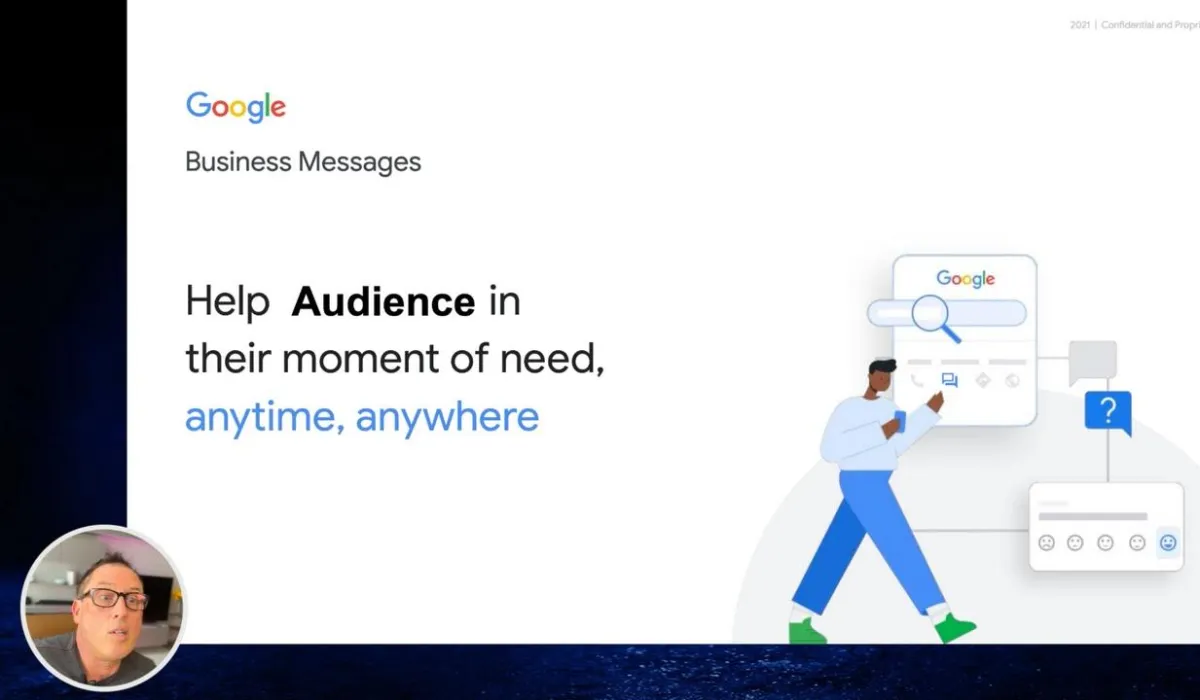
Why not binge on my YouTube Livestreams for inspiration and practical digital business advice in bite-sized pieces that will have you managing your digital business like a pro in no time.
want to learn more on
digital business management?
Check out my livestreams
Why not binge on my YouTube Livestreams for inspiration and practical digital business advice in bite-sized pieces that will have you managing your digital business like a pro in no time.

wonder what's on my mind
My Blog
Here's the spot for free digital business and monetization advice for creative entrepreneurs who want to figure out this "managing my business" thing once and for all. Check out my latest posts:
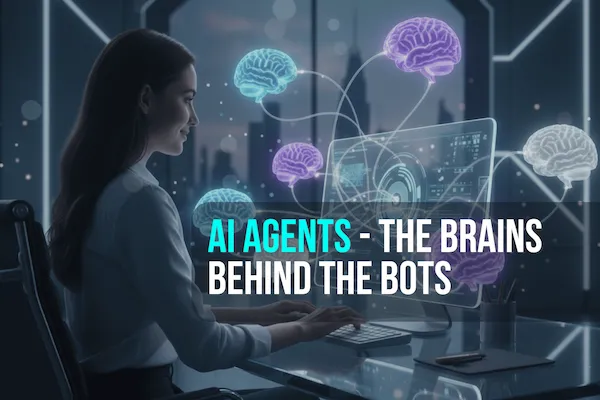
How AI Agents Work: A Simple Breakdown for Small Business and Agencies
In 2026, you'll see them in software updates, product launches, and headlines. But here’s the real question: what are AI agents, and how do they actually work?
More importantly - how do you use them without being a coder or tech expert?
In this guide, we’ll break it down clearly. You’ll learn how AI agents are different from chatbots, how workflows are built, and how this shift can help your business automate smarter and faster.
📺 Prefer to Watch?
🎥 Check out my full video on how AI agents work and why they matter in 2026.
Subscribe to my YouTube Channel for more AI business insights.
How AI Agents Work in Real Life

The simplest way to understand AI agents?
They’re the brains that talk to the tools.
You’ve likely used an AI employee before:
A voice bot answering phones
A chatbot replying to DMs
An SMS follow-up system
These tools do one thing. They react to a prompt. That’s what we call stage one.
But an AI agent? That’s different.
What Makes an AI Agent Different?
Agents don’t just respond - they think, decide, and act across multiple steps.
Let’s say you're planning a trip:
A chatbot answers your travel question
An AI agent books your flight, reserves your hotel, and adds both to your calendar.
That’s what makes agents powerful - they manage workflows, not just messages.
AI Agents vs Chatbots: What’s the Real Difference?

One of the most common questions we hear:
What’s the difference between a chatbot and an AI agent?
It’s a fair question - but here’s the simple answer:

That last part matters a lot. Agents can move information across systems - your CRM, calendar, email platform, and more.
So instead of needing 5 tools and 10 zaps…
You just tell the agent what you want.
2 Ways to Use AI Agents in Your Business

There are two main ways to interact with AI agents:
1. Through a Chatbot
Connect an AI agent to a chatbot interface and it becomes conversational.
Ask a question. Give a command. Get results back.
No form fills. No tool switching.
2. Through an AI Workflow
Here’s where things get more advanced - and more useful.
In an AI workflow, you stack agents together like building blocks:
Agent 1 writes a proposal
Agent 2 turns it into a slide deck
Agent 3 emails the file to your team
Each agent specializes in one task. Together, they run the process from start to finish.
This is called agent orchestration, and it’s how leading businesses are saving time - and scaling services - without adding headcount.
Real Examples of AI Agent Workflows

Customer Service
AI agent handles return request → updates inventory → emails confirmation.
Appointment Booking
Agent qualifies the lead → books the call → updates CRM and sends reminder.
Research + Strategy
Agent summarizes 5 competitor sites → finds content gaps → recommends strategy.
These aren’t theory. These workflows are happening right now - using tools available to small businesses today.
Why You Don’t Need to Code to Use Agents

Traditionally, setting up automations required:
Writing instructions for each step
Mapping logic
Testing and debugging
But now, platforms like Mindpal let you just describe what you want in plain language.
AI builds the workflow. You review it. Make tweaks. Hit “optimize” and go live.
It’s fast. It’s simple. And it doesn’t require coding.
That’s the power of AI tools built for 2026.
Why Small Businesses and Agencies Should Care

This isn’t just tech hype - it’s a new business model.
For agencies:
Offer AI workflows as a monthly service
(With zero fulfillment effort after setup.)
For small business owners:
Scale your operations without adding headcount
(Even during hiring freezes or economic slowdowns.)
For service pros:
Automate repetitive work, reduce manual follow-up, and stay focused on high-value tasks.
If you’re not using AI agents yet, this is your window to start learning - before they go fully mainstream.
Ready to Try It?

I’ve created a free resource to help you get started:
The AI Employee Playbook
It includes:
Step-by-step launch guide
Done-for-you instructions
Templates to resell agent services
Bonus: 30-day GoHighLevel trial
👉 nicholaspapp.com/ai-employee
Final Thoughts
AI agents aren’t just a new tool - they’re a new way of working.
They replace tasks. They replace systems. And yes, they’ll even start replacing some jobs.
But for the entrepreneurs and agencies that get in early - AI agents are the advantage.
You don’t need to build it all at once.
Start with one workflow.
Learn the patterns.
And you’ll be light years ahead of everyone still stuck in chatbot land.
Ready to start?

The key to understanding how AI agents work is this:
They don’t replace your brain.
They just stop you from having to juggle every tool, task, and workflow yourself.
And if you want to grow a business - or help others grow theirs - that’s not just helpful.
It’s essential.
🟢 Click here to get started with Mindpal

wonder what's on my mind
My blog
Here's the spot for free digital business and monetization advice for creative entrepreneurs who want to figure out this "managing my business" thing once and for all. Check out my latest posts:
How AI Agents Work: A Simple Breakdown for Small Business and Agencies
In 2026, you'll see them in software updates, product launches, and headlines. But here’s the real question: what are AI agents, and how do they actually work?
More importantly - how do you use them without being a coder or tech expert?
In this guide, we’ll break it down clearly. You’ll learn how AI agents are different from chatbots, how workflows are built, and how this shift can help your business automate smarter and faster.
📺 Prefer to Watch?
🎥 Check out my full video on how AI agents work and why they matter in 2026.
Subscribe to my YouTube Channel for more AI business insights.
How AI Agents Work in Real Life
The simplest way to understand AI agents?
They’re the brains that talk to the tools.
You’ve likely used an AI employee before:
A voice bot answering phones
A chatbot replying to DMs
An SMS follow-up system
These tools do one thing. They react to a prompt. That’s what we call stage one.
But an AI agent? That’s different.
What Makes an AI Agent Different?
Agents don’t just respond - they think, decide, and act across multiple steps.
Let’s say you're planning a trip:
A chatbot answers your travel question
An AI agent books your flight, reserves your hotel, and adds both to your calendar.
That’s what makes agents powerful - they manage workflows, not just messages.
AI Agents vs Chatbots: What’s the Real Difference?
One of the most common questions we hear:
What’s the difference between a chatbot and an AI agent?
It’s a fair question - but here’s the simple answer:
That last part matters a lot. Agents can move information across systems - your CRM, calendar, email platform, and more.
So instead of needing 5 tools and 10 zaps…
You just tell the agent what you want.
2 Ways to Use AI Agents in Your Business
There are two main ways to interact with AI agents:
1. Through a Chatbot
Connect an AI agent to a chatbot interface and it becomes conversational.
Ask a question. Give a command. Get results back.
No form fills. No tool switching.
2. Through an AI Workflow
Here’s where things get more advanced - and more useful.
In an AI workflow, you stack agents together like building blocks:
Agent 1 writes a proposal
Agent 2 turns it into a slide deck
Agent 3 emails the file to your team
Each agent specializes in one task. Together, they run the process from start to finish.
This is called agent orchestration, and it’s how leading businesses are saving time - and scaling services - without adding headcount.
Real Examples of AI Agent Workflows
Customer Service
AI agent handles return request → updates inventory → emails confirmation.
Appointment Booking
Agent qualifies the lead → books the call → updates CRM and sends reminder.
Research + Strategy
Agent summarizes 5 competitor sites → finds content gaps → recommends strategy.
These aren’t theory. These workflows are happening right now - using tools available to small businesses today.
Why You Don’t Need to Code to Use Agents
Traditionally, setting up automations required:
Writing instructions for each step
Mapping logic
Testing and debugging
But now, platforms like Mindpal let you just describe what you want in plain language.
AI builds the workflow. You review it. Make tweaks. Hit “optimize” and go live.
It’s fast. It’s simple. And it doesn’t require coding.
That’s the power of AI tools built for 2026.
Why Small Businesses and Agencies Should Care
This isn’t just tech hype - it’s a new business model.
For agencies:
Offer AI workflows as a monthly service
(With zero fulfillment effort after setup.)
For small business owners:
Scale your operations without adding headcount
(Even during hiring freezes or economic slowdowns.)
For service pros:
Automate repetitive work, reduce manual follow-up, and stay focused on high-value tasks.
If you’re not using AI agents yet, this is your window to start learning - before they go fully mainstream.
Ready to Try It?
I’ve created a free resource to help you get started:
The AI Employee Playbook
It includes:
Step-by-step launch guide
Done-for-you instructions
Templates to resell agent services
Bonus: 30-day GoHighLevel trial
👉 nicholaspapp.com/ai-employee
Final Thoughts
AI agents aren’t just a new tool - they’re a new way of working.
They replace tasks. They replace systems. And yes, they’ll even start replacing some jobs.
But for the entrepreneurs and agencies that get in early - AI agents are the advantage.
You don’t need to build it all at once.
Start with one workflow.
Learn the patterns.
And you’ll be light years ahead of everyone still stuck in chatbot land.
Ready to start?
The key to understanding how AI agents work is this:
They don’t replace your brain.
They just stop you from having to juggle every tool, task, and workflow yourself.
And if you want to grow a business - or help others grow theirs - that’s not just helpful.
It’s essential.
🟢 Click here to get started with Mindpal

1321 Upland Drive, Suite 10750
Houston, Texas 77043 USA
1035/254 Ploenchit Road,
Lumphini, Pathum Wan
Bangkok 10330 Thailand
+1 281 626 7599 (SMS text & voice mail)
Google Business Chat: Google Business Profile
Facebook DM: @nicholaspappusa
Instagram DM: @nicholaspappusa
WhatsApp: +66851063038
FOLLOW ME:
FOLLOW ME:




© 2022 Nicholas Papp - All Rights Reserved
Privacy Policy